VizPro
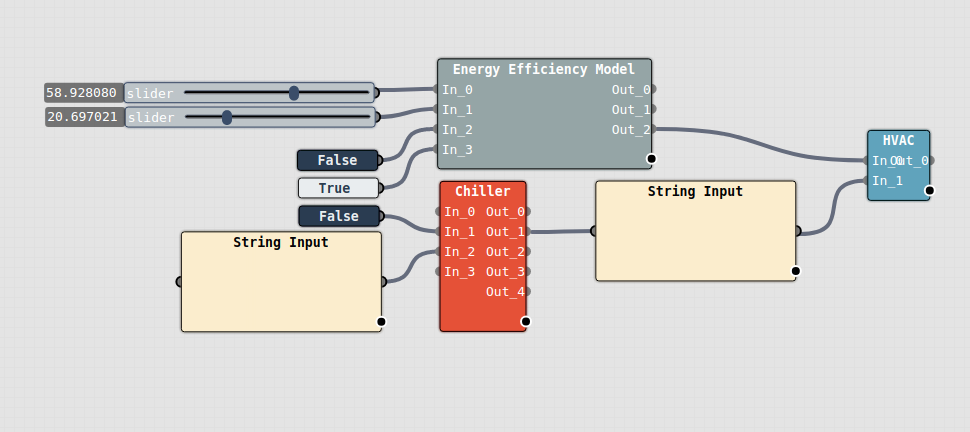
Started during my research assistant work at IDEA+S Lab. I led the devlopment of an open-source visual programming web app for building performance applications.
Visual Programming Interface
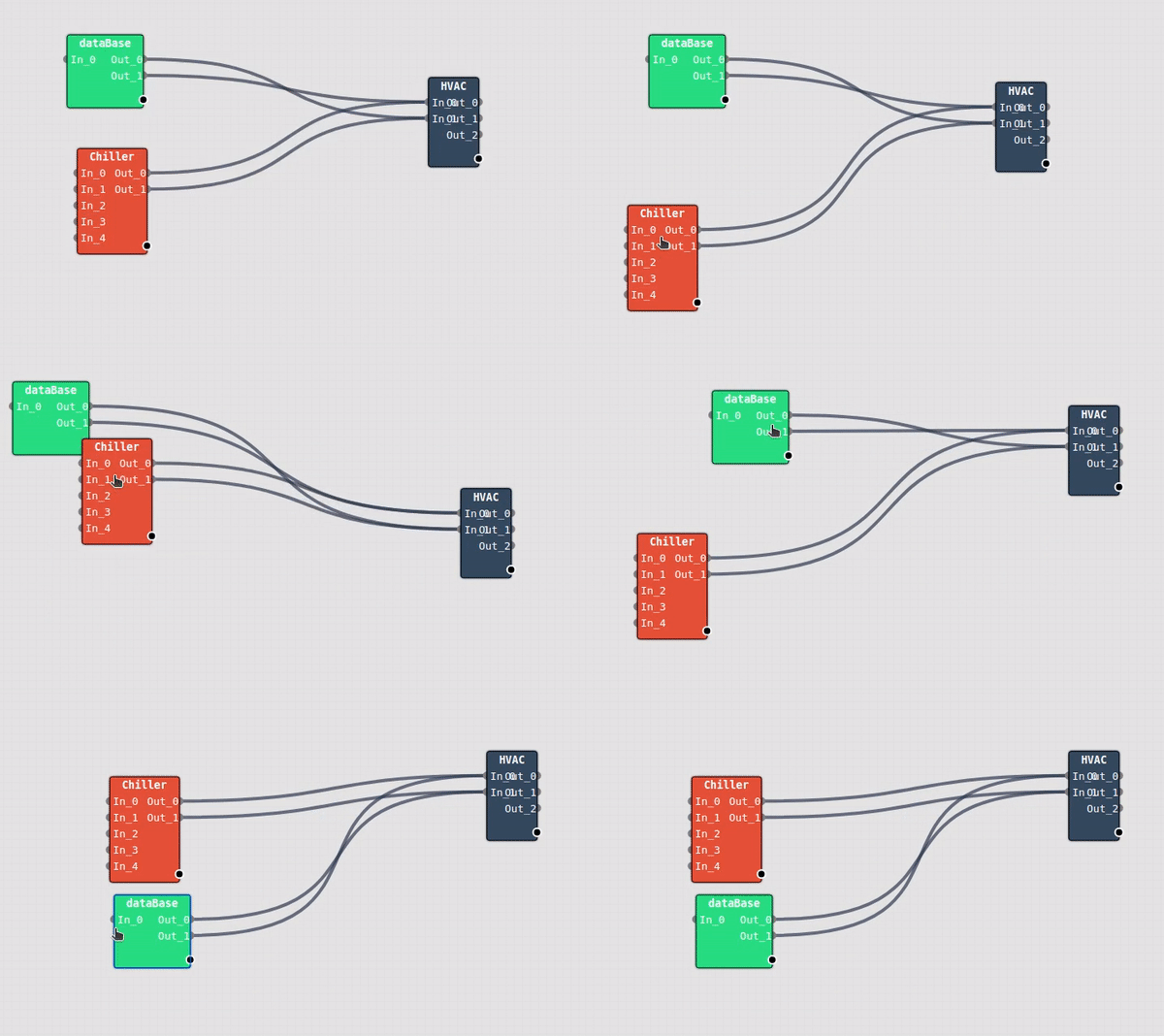
The platform provides a node-based canvas where users wire together sliders, strings, booleans, and custom components to build computational workflows.
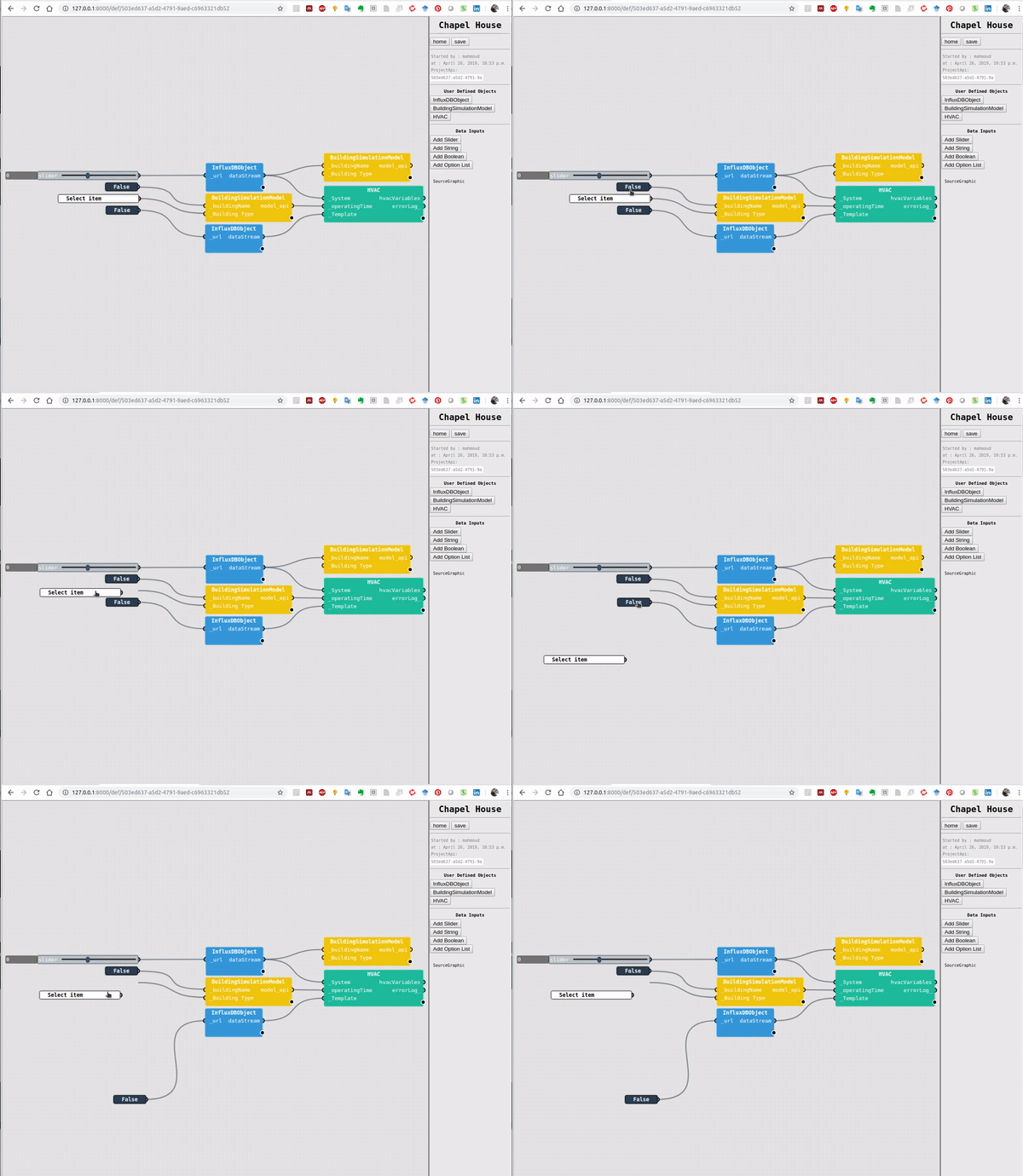
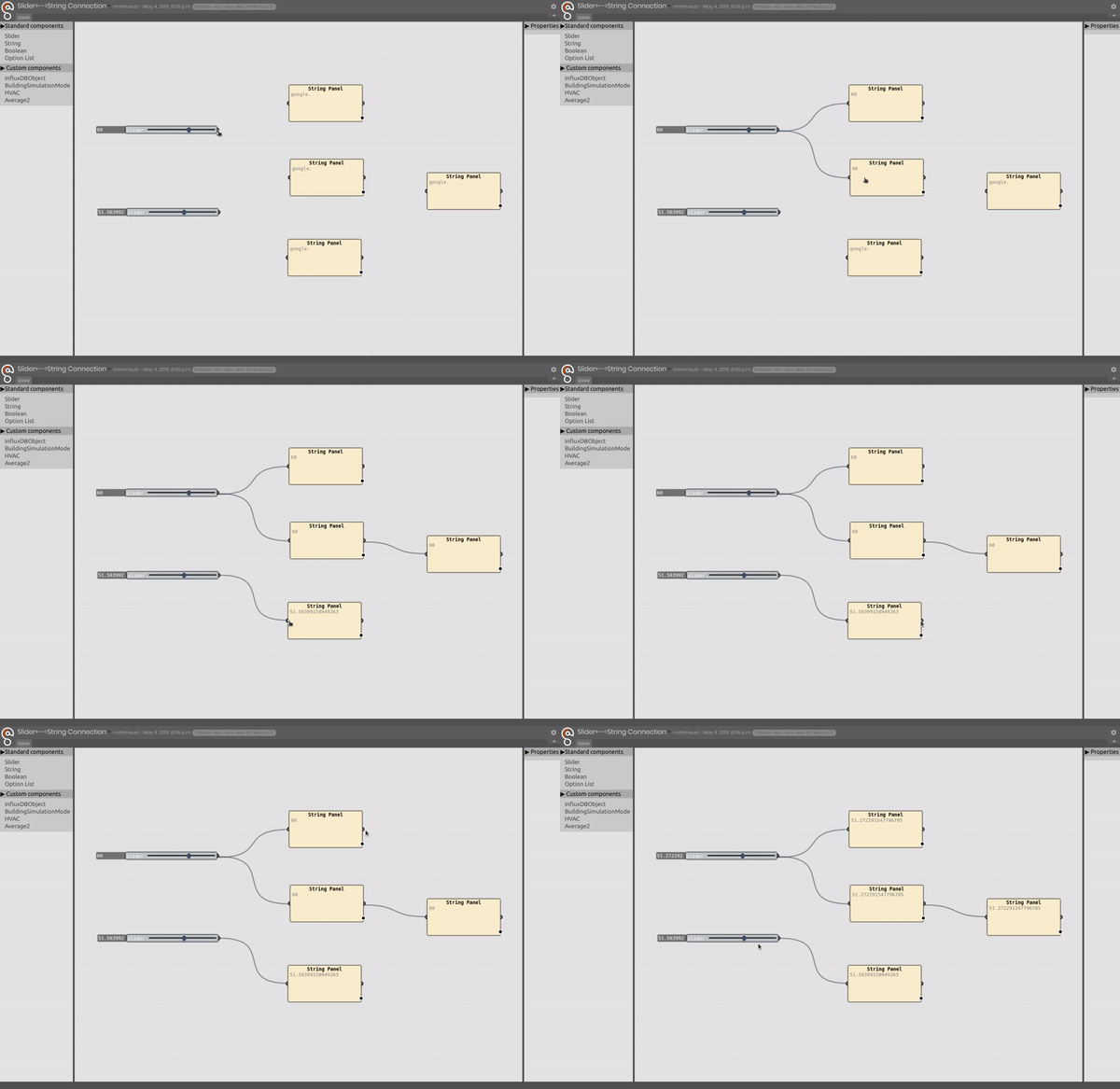
Users can connect standard inputs to processing nodes and output panels — from simple slider-to-string mappings to multi-step simulation pipelines.
Building Performance Applications
I used Django framework along with JavaScript d3.js. We managed to create an easy to use platform with multiple applications and ability to integrate with many systems.
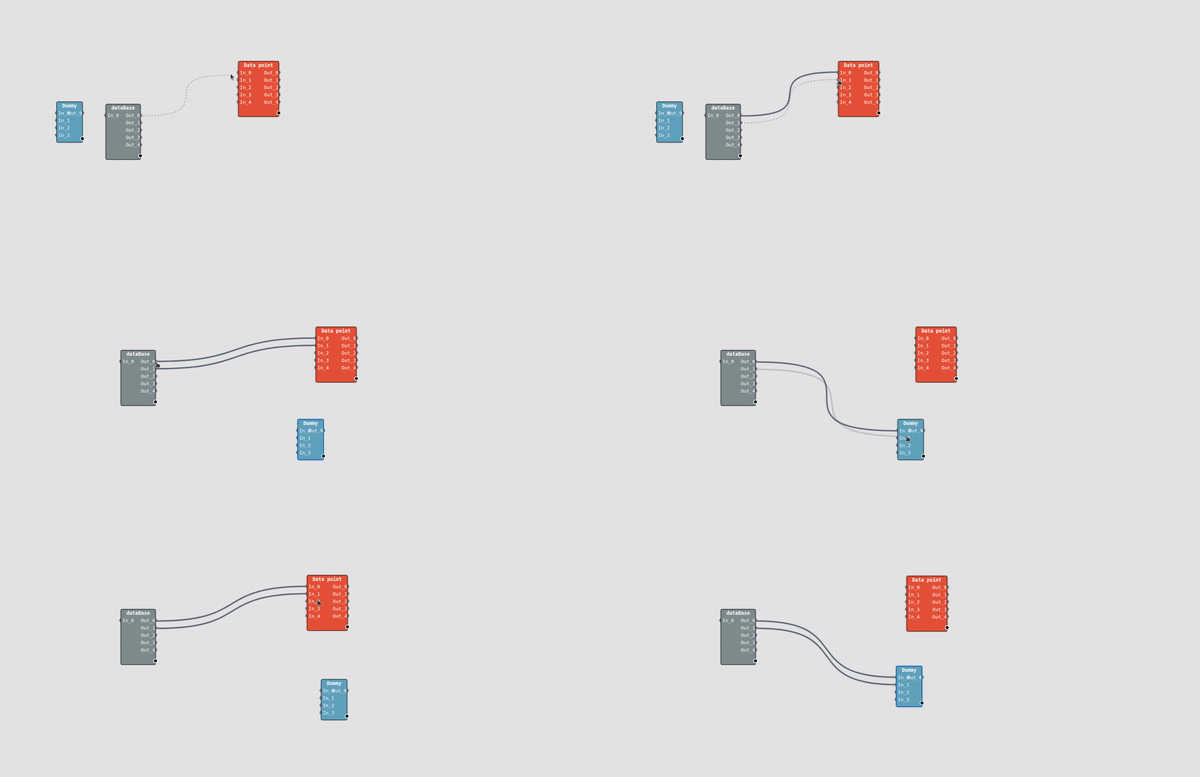
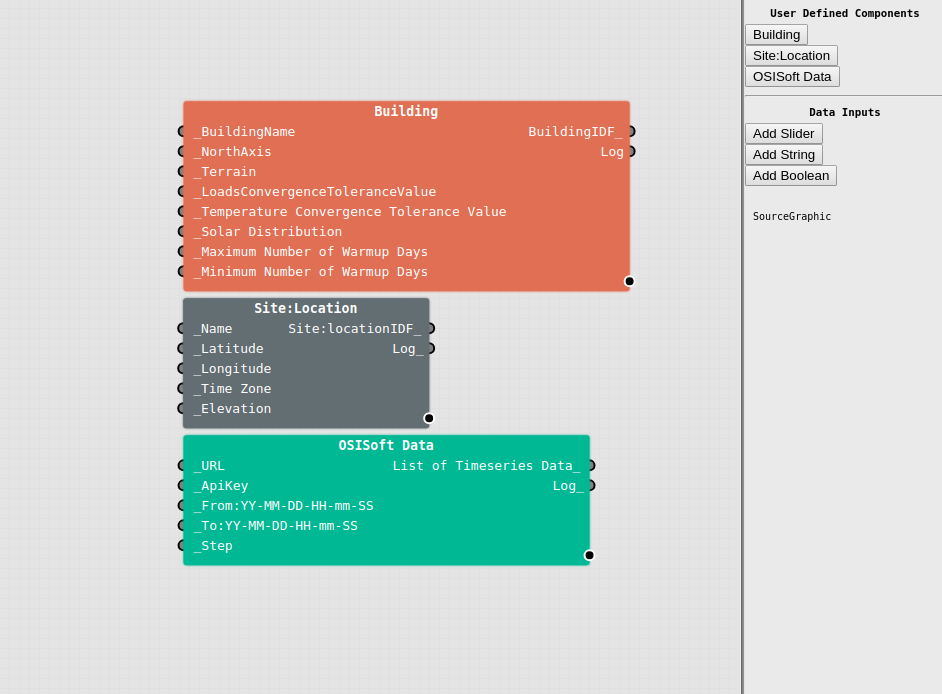
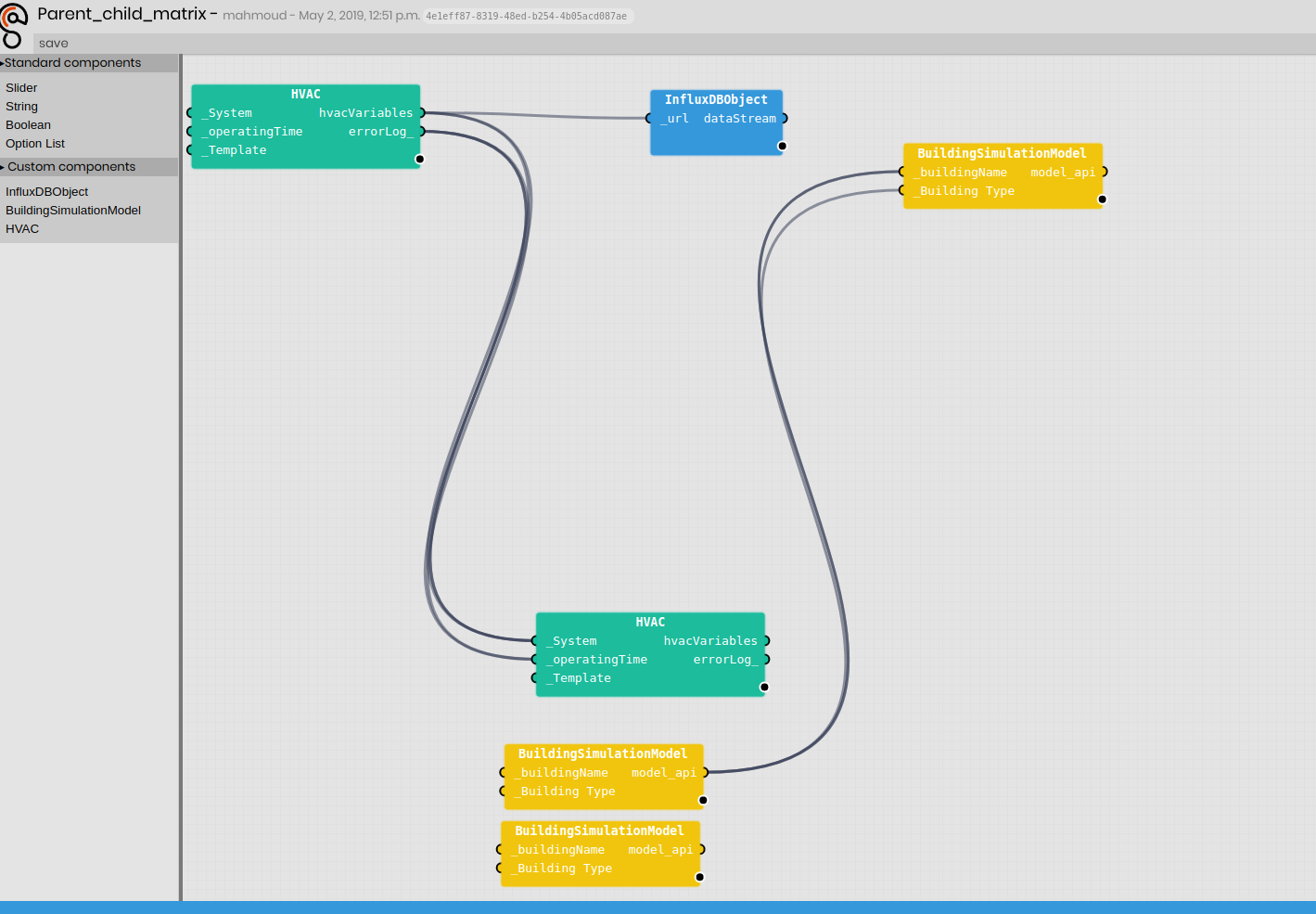
Custom components support building energy modeling, HVAC systems, site configuration, and time-series data ingestion from building management systems.
Data Integration & Visualization
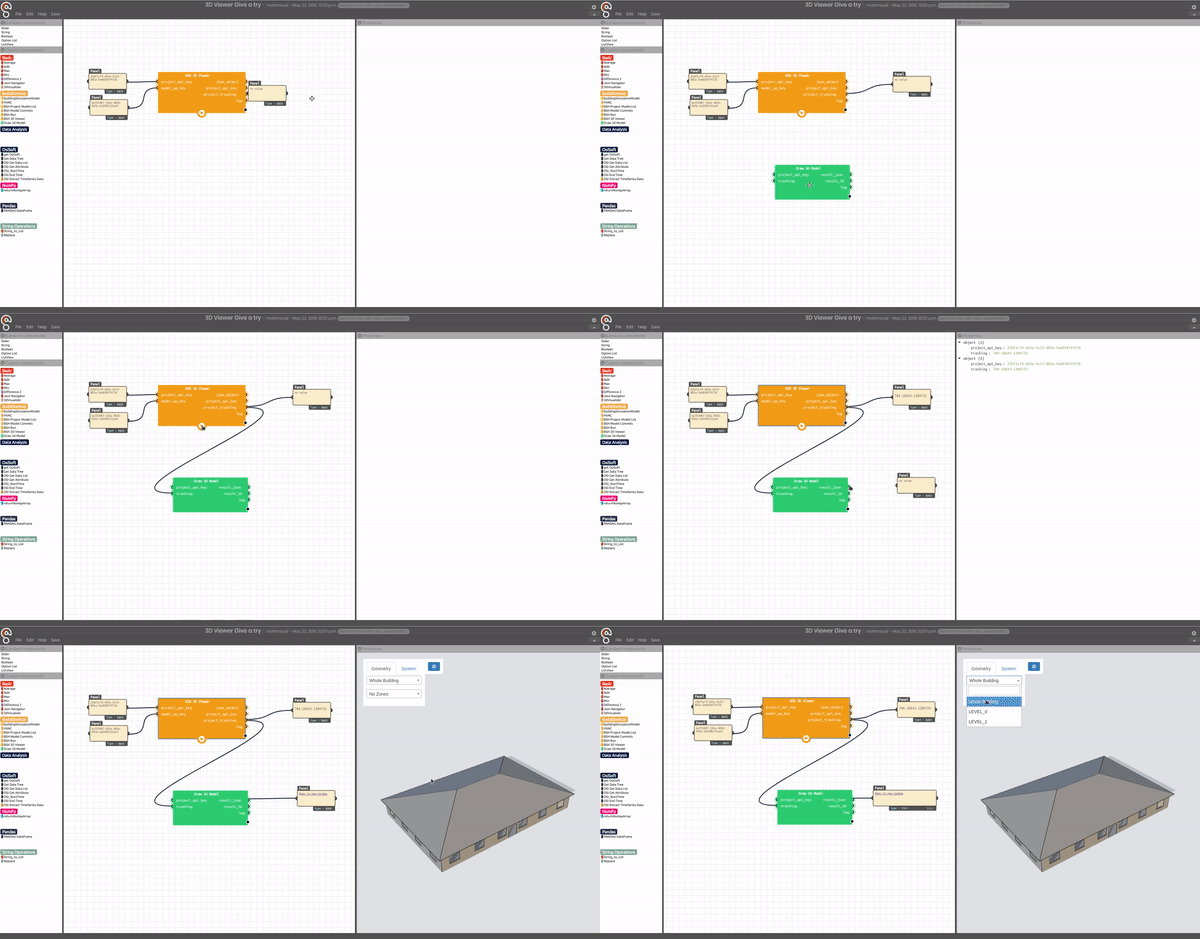
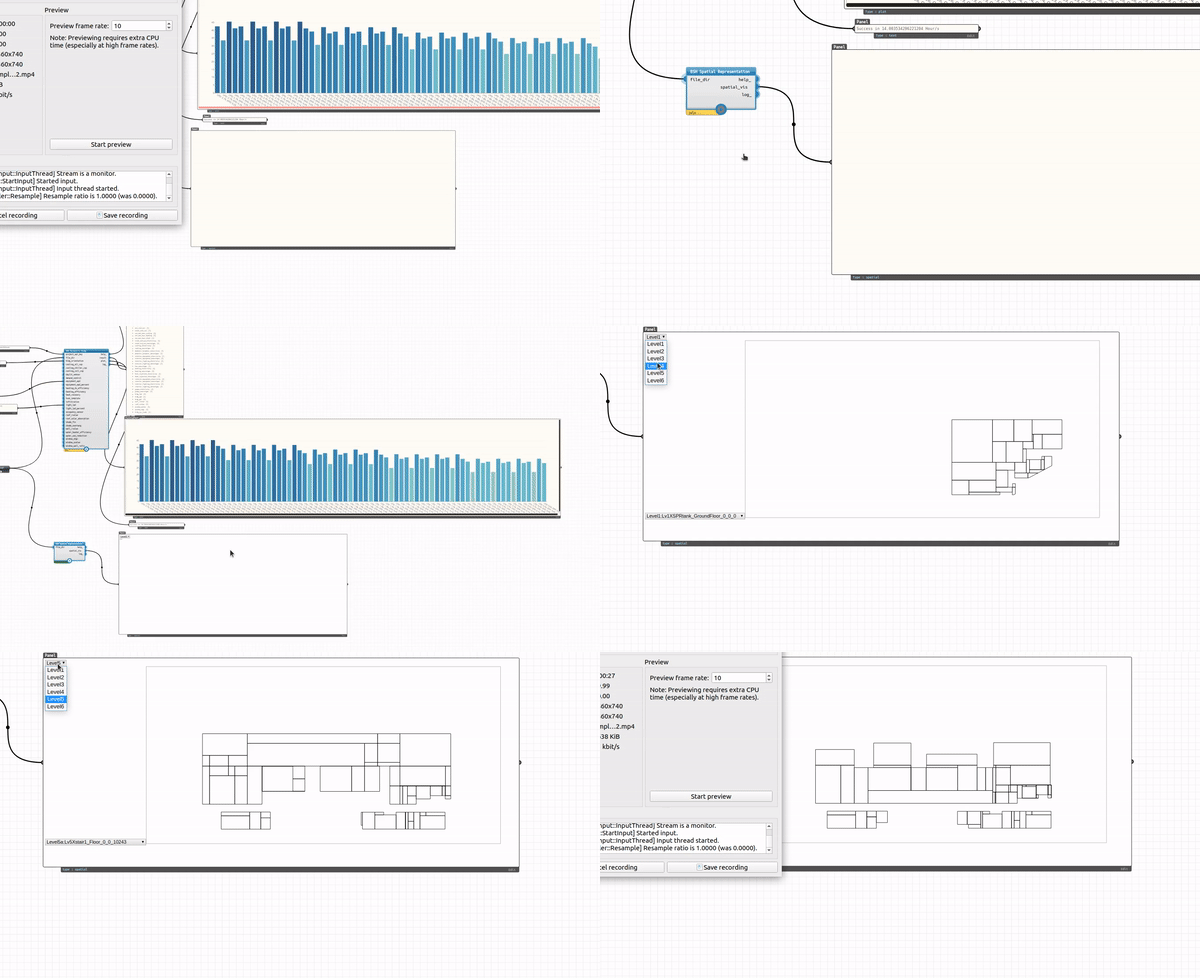
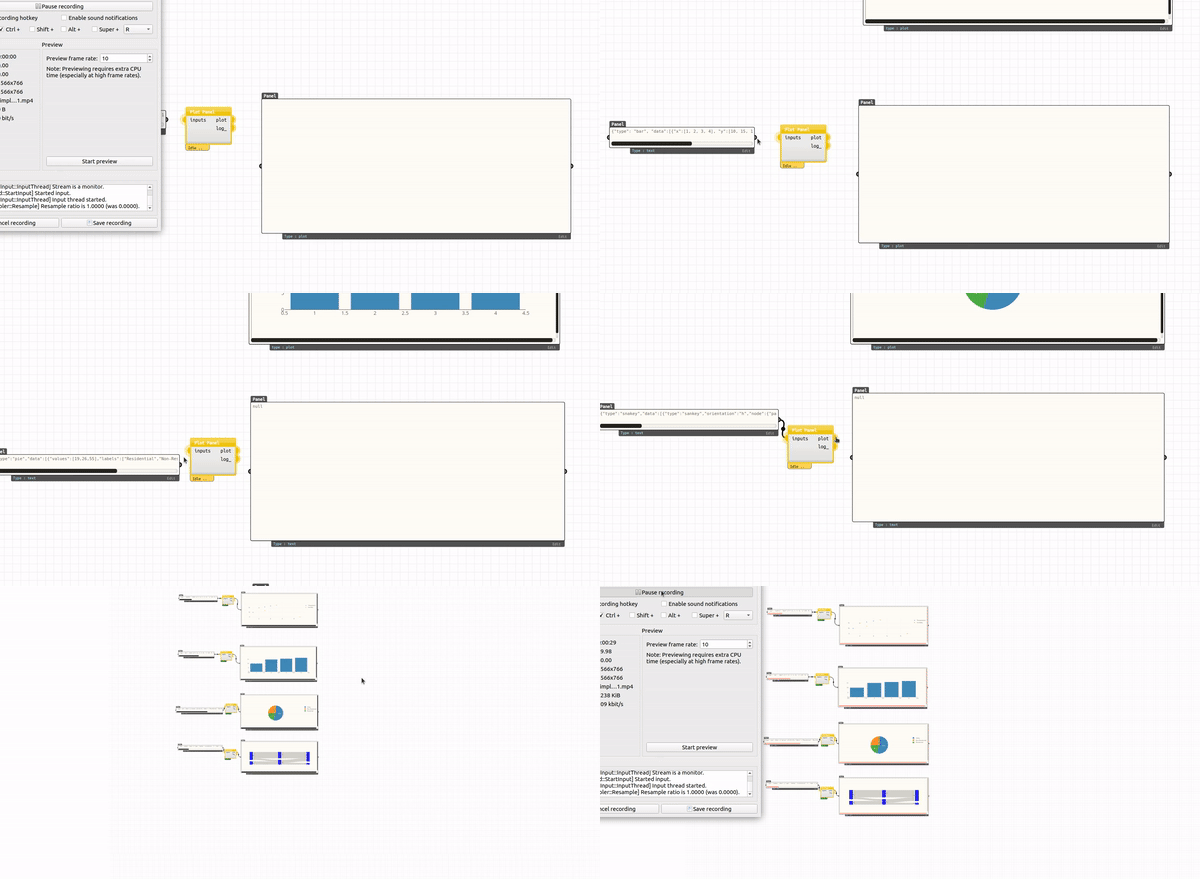
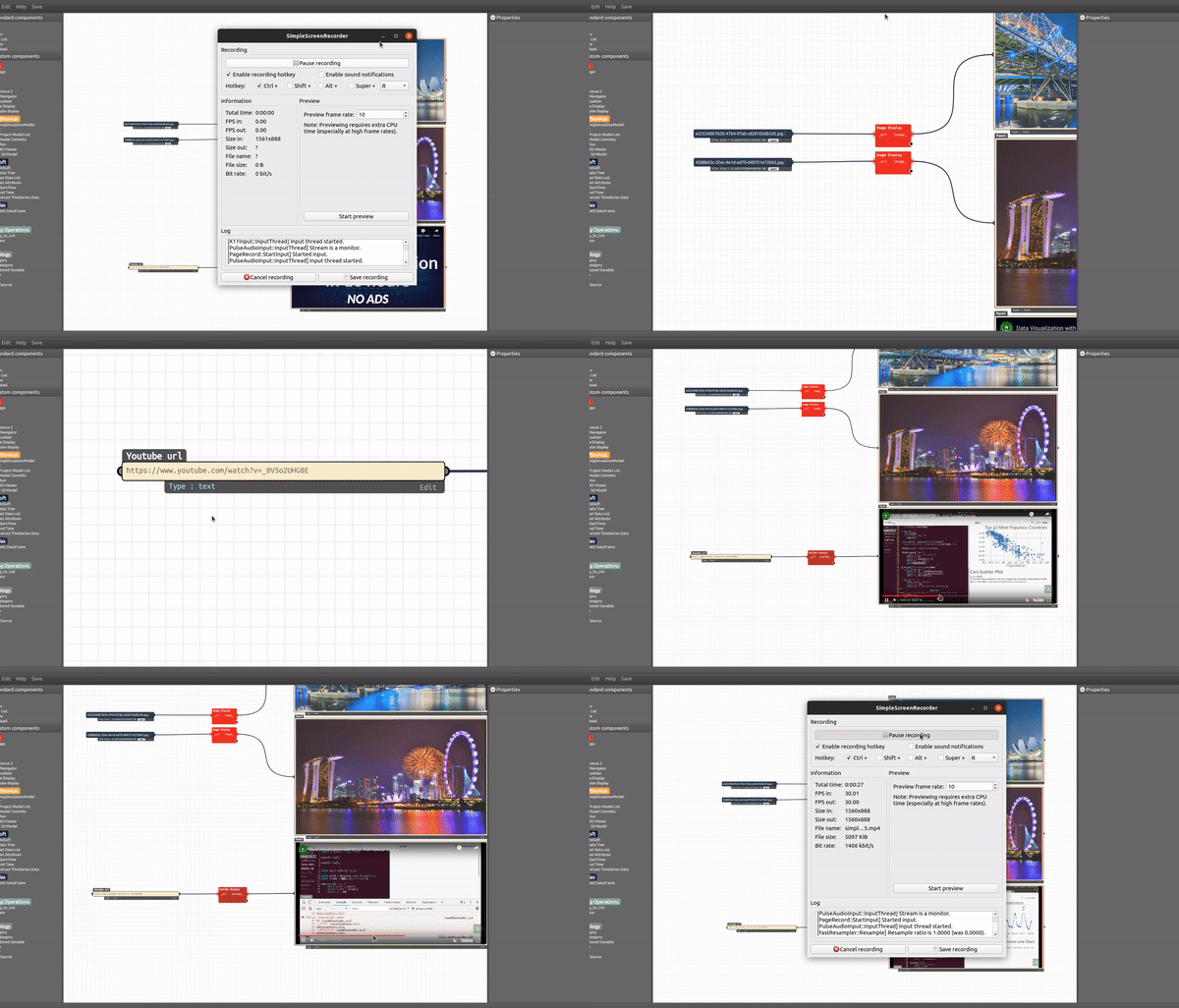
Dashboard viewers can inspect real-time performance data through charts, 3D model viewers, and project management interfaces.
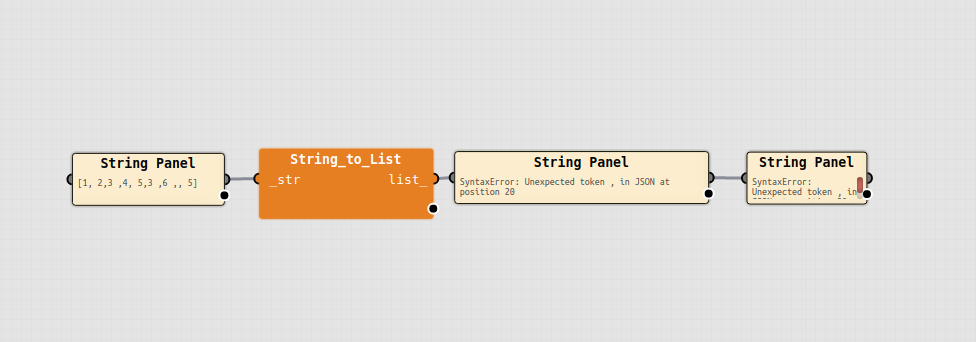
Built-in error feedback helps programmers debug data flows quickly.
I will continue devloping this project whenever I have time for that.
You can download the published paper at SimAUD conference here and cite it as follows:
@inproceedings{3465085.3465127,
    author = {Abdelrahman, Mahmoud M. and Zhan, Sicheng and Chong, Adrian},
    title = {A three-tier architecture visual-programming platform for building-lifecycle data management},
    year = {2020},
    publisher = {Society for Computer Simulation International},
    address = {San Diego, CA, USA},
    abstract = {In this paper, we present a platform that integrates three main aspects in the building industry: 1) Building data from both IoT devices and Building Management System (BMS), 2) Building Energy modeling and simulation engine, and 3)Data analysis and optimization libraries. All of which are combined in a three-tier architecture cloud platform. The platform aims to provide useful representations of the data to different stakeholders. We defined three main types of stakeholders. Each stakeholder uses the platform differently: (1) End-use programmers, who use visual programming and textual programming interfaces to perform computational tasks, (2) Dashboard viewers who are interested in viewing insightful real-time data about performance in the form of charts and diagrams, and (3) Data feedback inputters such as occupants to give feedback or fill questionnaires. The three-tier architecture enables the spatial and physical separation of the databases, the computational engines, and the user-interfaces. This separation resulted in some advantages such as flexibility, scalability (horizontal and vertical), reusability, and latency reduction. Currently, the platform is in the final stage of the alpha release development and will be released as open-source platform. The following stage includes community testing and user experience enhancement.},
    booktitle = {Proceedings of the 11th Annual Symposium on Simulation for Architecture and Urban Design},
    articleno = {42},
    numpages = {8},
    keywords = {BEM, actors, application layer, building energy modelling, building lifecycle, data layer, n-tier architecture, presentation layer, three-tier architecture},
    location = {Virtual Event, Austria},
    series = {SimAUD '20}
}