CityTexture
An Open Foundation Dataset for Urban Intelligence
Overview
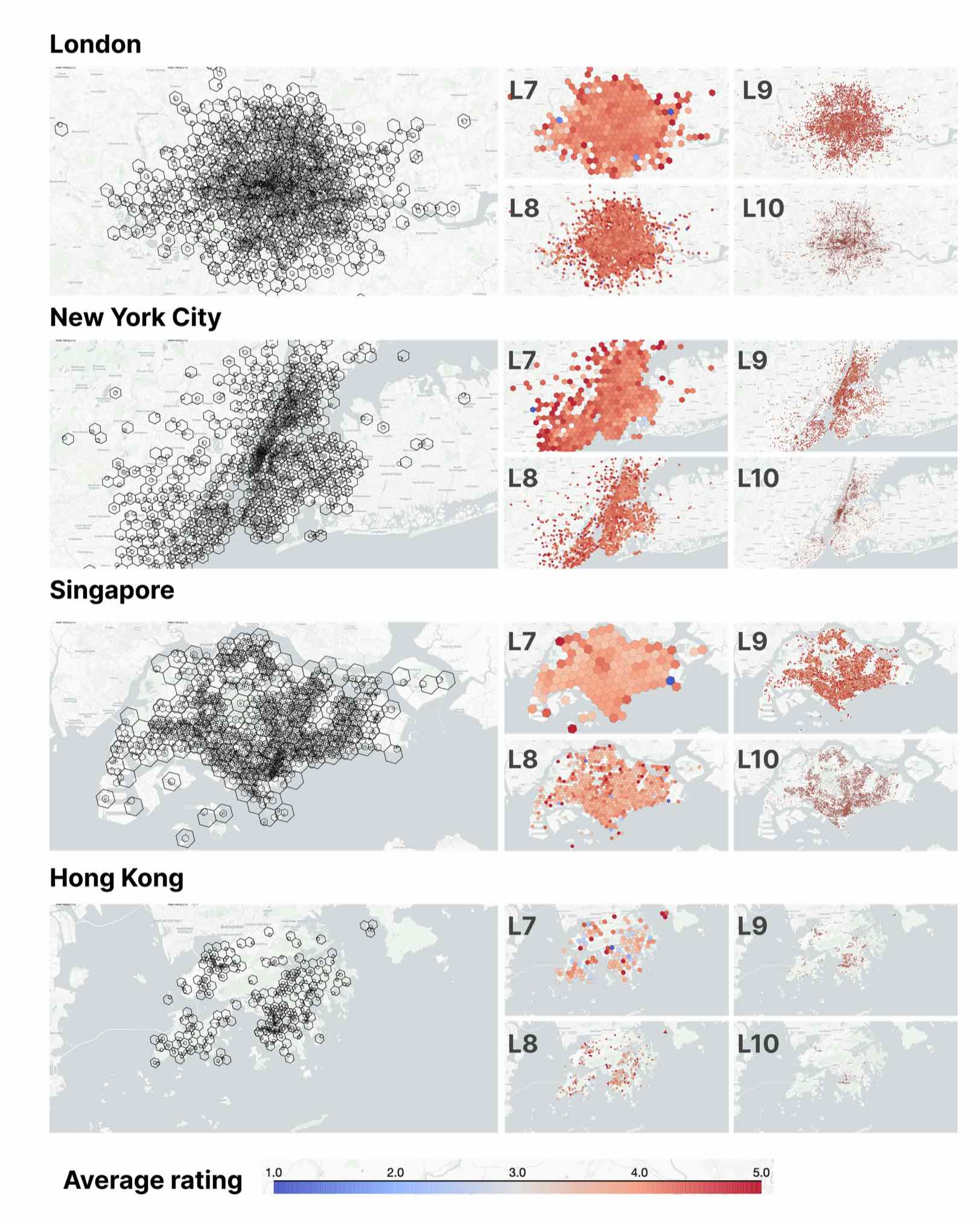
Cities continuously generate knowledge.
Every day, millions of people leave reviews, upload photographs, describe places, report experiences, and collectively document how cities are perceived and used. Yet most of this information remains fragmented across proprietary platforms and inaccessible to researchers, planners, architects, and policymakers.
CityTexture is an ongoing effort to build one of the largest open urban knowledge datasets by integrating place reviews, images, metadata, spatial information, and urban context into a unified research platform.
The project is developed in collaboration with researchers from the Urban Analytics Lab (UAL) and aims to support the next generation of Urban AI, GeoAI, Digital Twins, and human-centered city intelligence systems.
Layer 1
Raw Urban Knowledge
(Reviews, Images, Metadata)

↓

Layer 2
Urban Understanding
(Embeddings, Categories, Place Semantics)

↓

Layer 3
Urban Intelligence
(Graphs, Digital Twins, Urban Foundation Models)
Motivation
Most urban datasets describe the physical city:
- Buildings
- Roads
- Land use
- Mobility networks
- Environmental conditions
However, cities are not merely physical systems.
People continuously describe:
- How places feel
- What activities occur there
- Whether they are safe
- Whether they are lively
- Whether they are accessible
- Whether they are worth visiting
CityTexture seeks to capture this collective urban intelligence at scale.
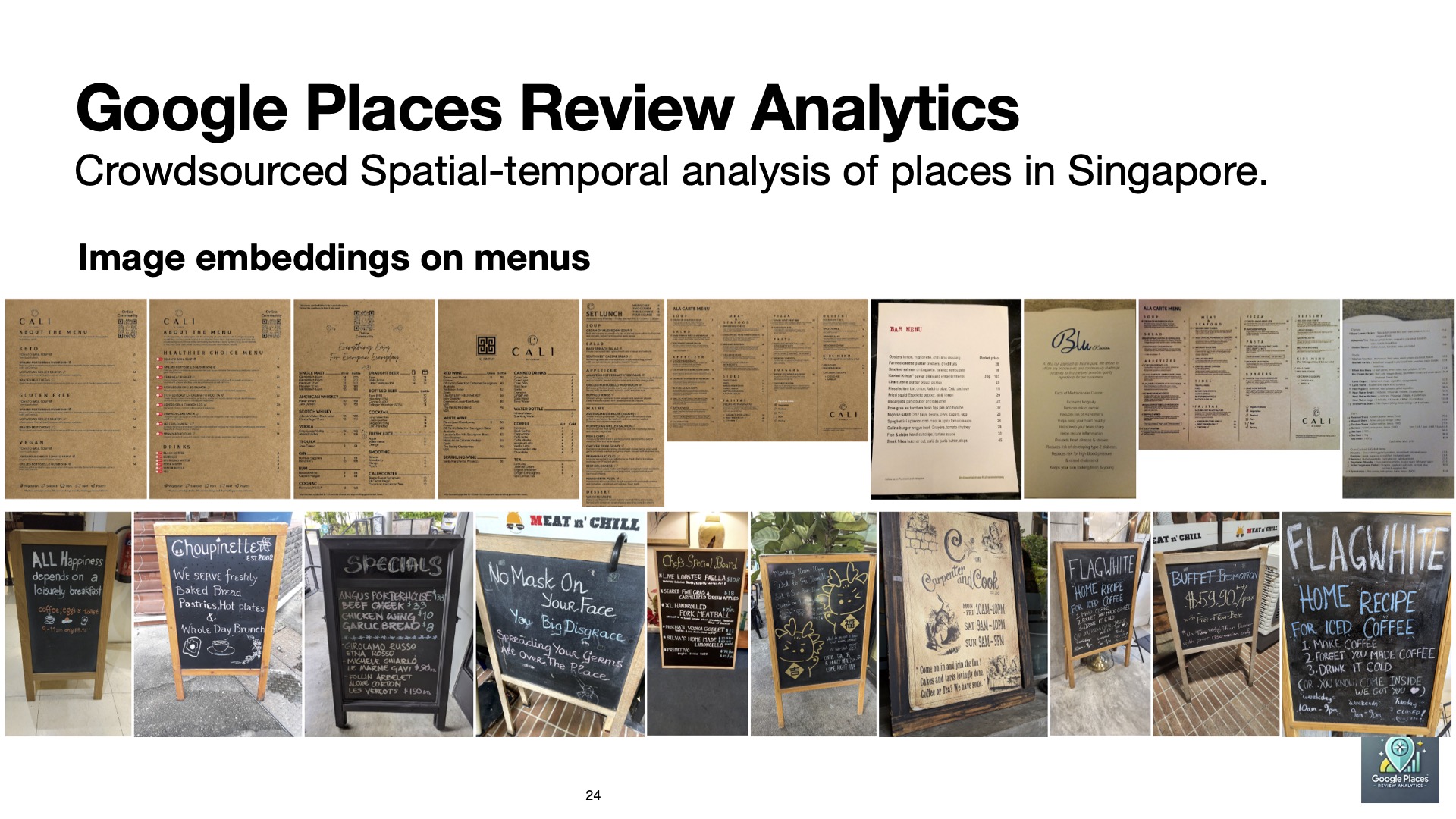
What Makes CityTexture Different?
Rather than viewing cities solely through geometry and infrastructure, CityTexture introduces a human-centered urban layer built from millions of real-world interactions.
The platform combines:
- Place reviews
- User-contributed photographs
- Place metadata
- Spatial context
- Street View imagery
- OpenStreetMap features
- Temporal information
- Large-scale semantic embeddings
- Popular hours
- Place attributes
- Place temporal status (open, temporairly closed, permanently closed ..etc)
The result is a rich representation of urban environments that captures both their physical characteristics and their social meaning.
Dataset Scale
Current and planned dataset components include:
- Millions of place reviews
- Millions of user-contributed images
- Hundreds of thousands of places
- Global geographic coverage
- Multi-language support
- Rich place metadata
- Urban morphology indicators
- Accessibility and mobility metrics
The project expands beyond restaurants and cafés toward a comprehensive representation of urban life.
Urban Foundation Models
One long-term goal of CityTexture is to create urban foundation models that learn representations of places, neighborhoods, districts, and cities from heterogeneous urban data.
Examples include:
- Place embeddings
- Urban similarity models
- Urban perception prediction
- Place recommendation systems
- Human mobility analysis
- Urban knowledge graphs
- Context-aware Digital Twins
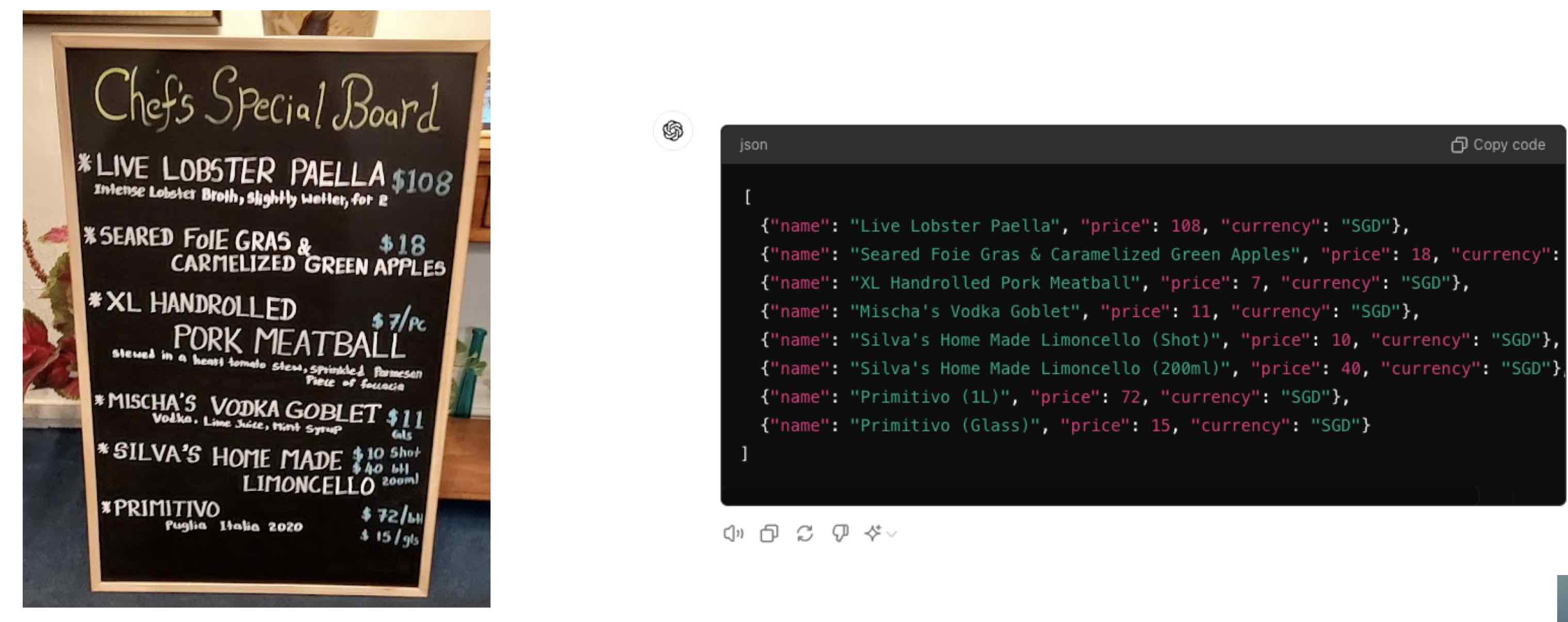
Copyright-Preserving Open Data
Open urban datasets face significant copyright and licensing challenges.
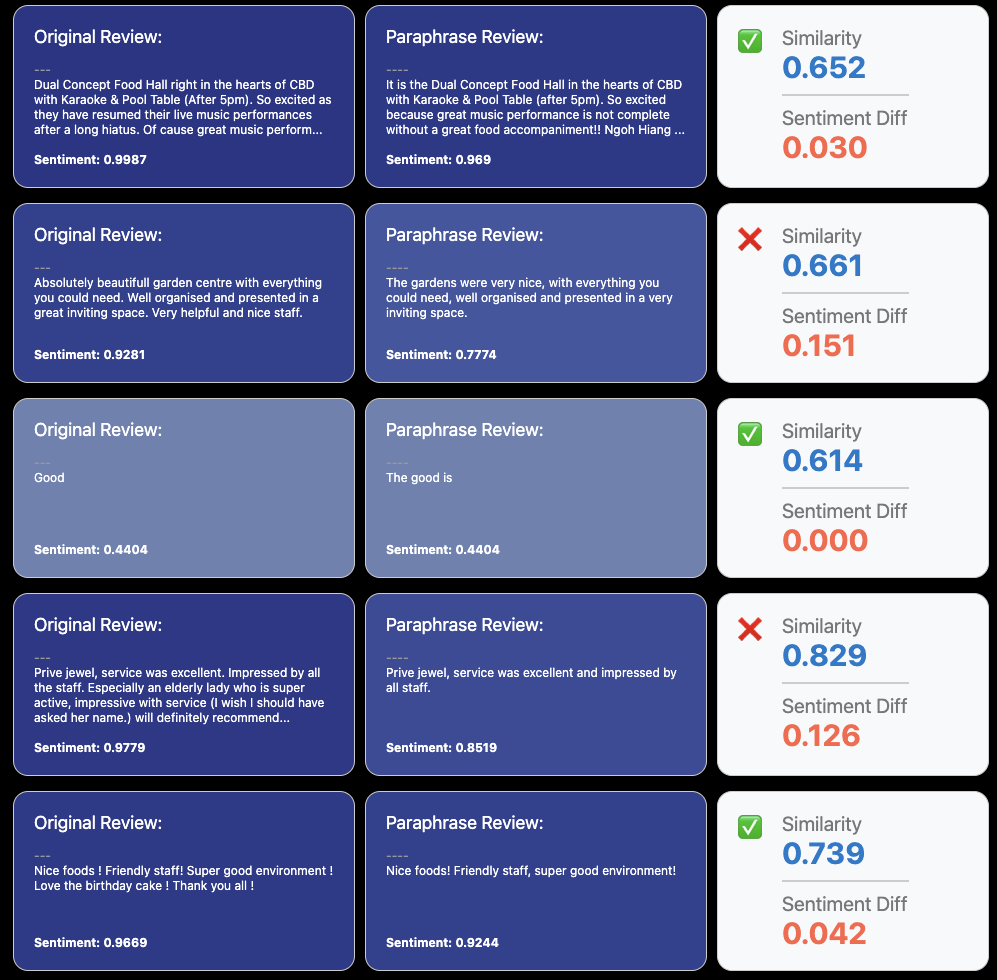
To address this issue, CityTexture investigates the use of Large Language Models (LLMs) to generate semantically equivalent synthetic reviews while preserving the original meaning, sentiment, and contextual information.
This approach allows researchers to access valuable urban knowledge while reducing direct redistribution of copyrighted content.
Research Opportunities
CityTexture supports research across multiple disciplines:
Urban Analytics
- Urban perception
- Neighborhood characterization
- Place identity
- Spatial inequality
Artificial Intelligence
- Urban foundation models
- Multimodal learning
- Retrieval systems
- Knowledge graphs
GeoAI
- Spatial embeddings
- Urban similarity
- Place recommendation
- Spatial reasoning
Digital Twins
- Human-centered Digital Twins
- Urban knowledge layers
- Semantic city models
- Real-time urban intelligence
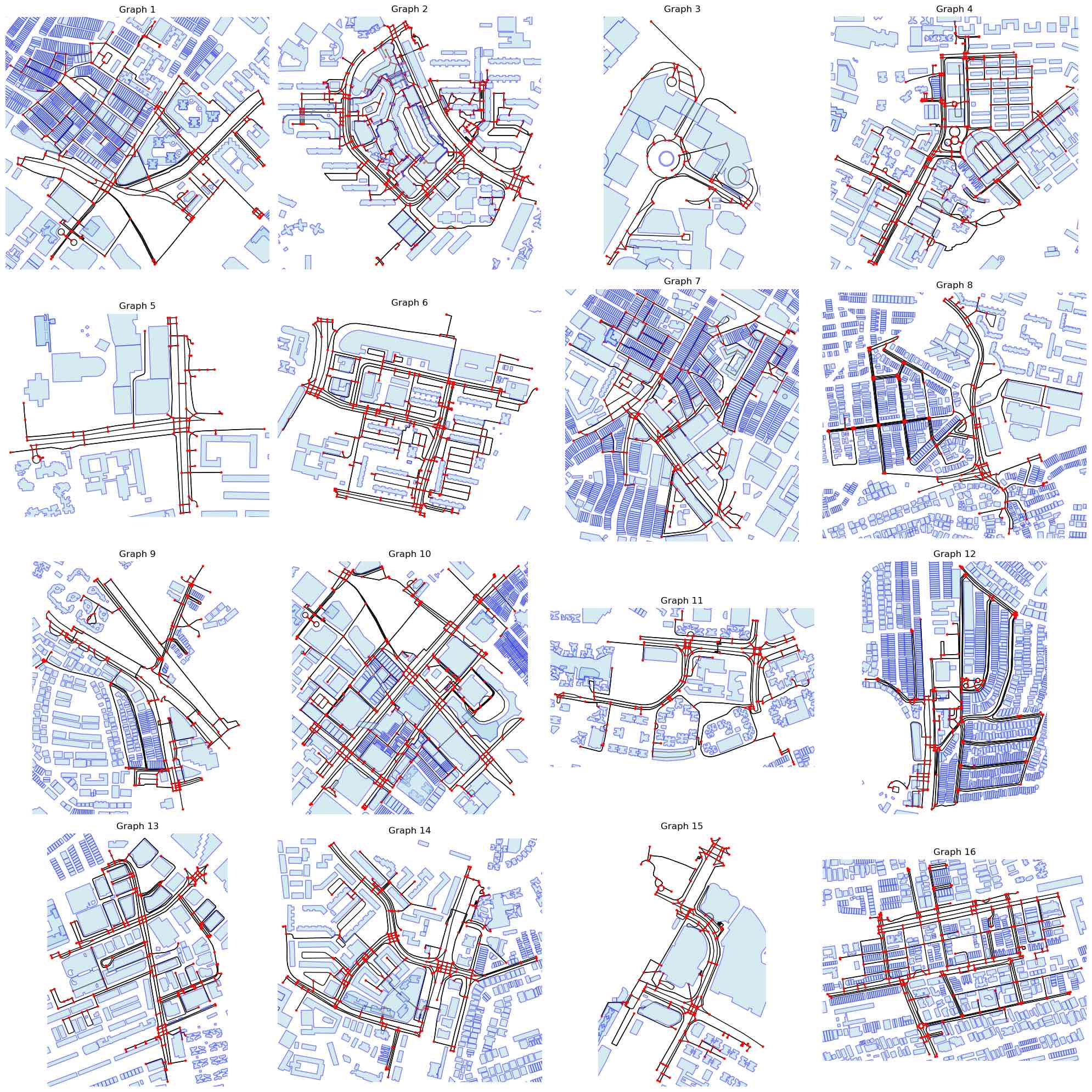
Vision
We believe future Digital Twins will require more than geometry, sensors, and simulation.
They will require an understanding of how people experience cities.
CityTexture aims to provide this missing layer.
Our long-term vision is to build an open urban knowledge foundation for researchers, practitioners, and cities worldwide—an infrastructure for understanding not only what cities are, but how they are perceived, experienced, and used.
Keywords
Urban AI • GeoAI • Urban Foundation Models • Human-Centered Digital Twins • Urban Perception • Knowledge Graphs • Open Data • Place Embeddings • Spatial Computing